




Commercial Smart Services / HVAC & Air Quality

Smart HVAC & Air
Quality Solutions

AI-powered climate control with real-time air quality monitoring, predictive maintenance, and occupancy-based optimization—reducing HVAC energy costs by 25–35% while improving indoor wellness and productivity.

Intelligent Climate Control & Clean Air

HVAC systems account for 40% of commercial building energy consumption, yet conventional systems waste enormous energy through constant operation regardless of occupancy, inability to anticipate demand, and reactive maintenance. Poor indoor air quality contributes to respiratory issues, reduced cognitive performance, and 50–70% higher sick leave rates.

KeenAi designs comprehensive climate and air quality ecosystems combining IoT sensors, AI predictive control, demand-based ventilation, and real-time monitoring of CO2, VOCs, PM2.5, and temperature/humidity. Our systems reduce HVAC energy consumption by 25–35%, extend equipment lifespan by 40%, and deliver measurable improvements in occupant health, comfort, and productivity.

Key Features & Benefits

Comprehensive intelligent HVAC delivering energy savings, wellness improvements, and predictive maintenance.

Intelligent Climate Zone Control

Independent temperature and airflow management for different building zones—conference rooms, private offices, open spaces, server rooms. Each zone operates with tailored setpoints, schedules, and occupancy rules, eliminating energy waste.

Real-Time Air Quality Monitoring

Continuous monitoring of CO2, VOCs, PM2.5 particulates, temperature, and humidity. Real-time dashboards with automated alerts triggering ventilation increases or filtration activation when thresholds are exceeded.

Predictive Maintenance & Diagnostics

AI algorithms analyze equipment performance to predict failures before they occur—reducing emergency repairs by 70%, extending equipment lifespan by 40%, and preventing costly downtime.

Occupancy-Based Climate Adjustment

PIR sensors, CO2 levels, and access card data detect real-time occupancy, automatically adjusting HVAC—achieving 20–30% additional energy savings while maintaining comfort when spaces are in use.

Precision Humidity Control

Dedicated dehumidification and humidification systems maintain optimal relative humidity (40–60%) preventing mold growth, respiratory irritation, and static electricity issues.

Demand-Controlled Ventilation (DCV)

CO2 sensors modulate outside air intake based on actual occupancy. When CO2 rises above 1000 ppm, fresh air dampers open automatically—saving 20–40% on heating/cooling energy.

Weather Data Integration

Cloud-connected systems leverage real-time weather forecasts to optimize HVAC proactively. Pre-cool buildings during off-peak hours before heatwaves and optimize economizer operation.

Energy-Efficient Operation Modes

Multiple operating strategies: economizer mode, variable speed drives modulating fan speeds, night setback, and peak demand management—reducing energy costs by 25–35%.

Remote Diagnostics & Control

Cloud-based platforms enable facility managers to monitor and control HVAC systems from anywhere via smartphone, tablet, or desktop. Centralized management of multi-site portfolios.

Health & Safety Compliance

Automated documentation for ASHRAE 62.1, LEED certification, WELL Building Standard. Audit-ready reports on air changes, filter schedules, CO2 levels, and humidity control.

Advanced Filtration Systems

High-efficiency MERV 13+ filters, HEPA filtration, UV-C sterilization, and bipolar ionization remove airborne pathogens, allergens, and particulates—creating safer indoor environments.

Get a Comprehensive HVAC Assessment

Get a comprehensive HVAC assessment with energy savings projections, air quality analysis, and predictive maintenance ROI.

Industry Applications

Intelligent HVAC and air quality solutions tailored for every commercial facility type—from offices to healthcare to industrial.

Application 1

Corporate Offices & Headquarters

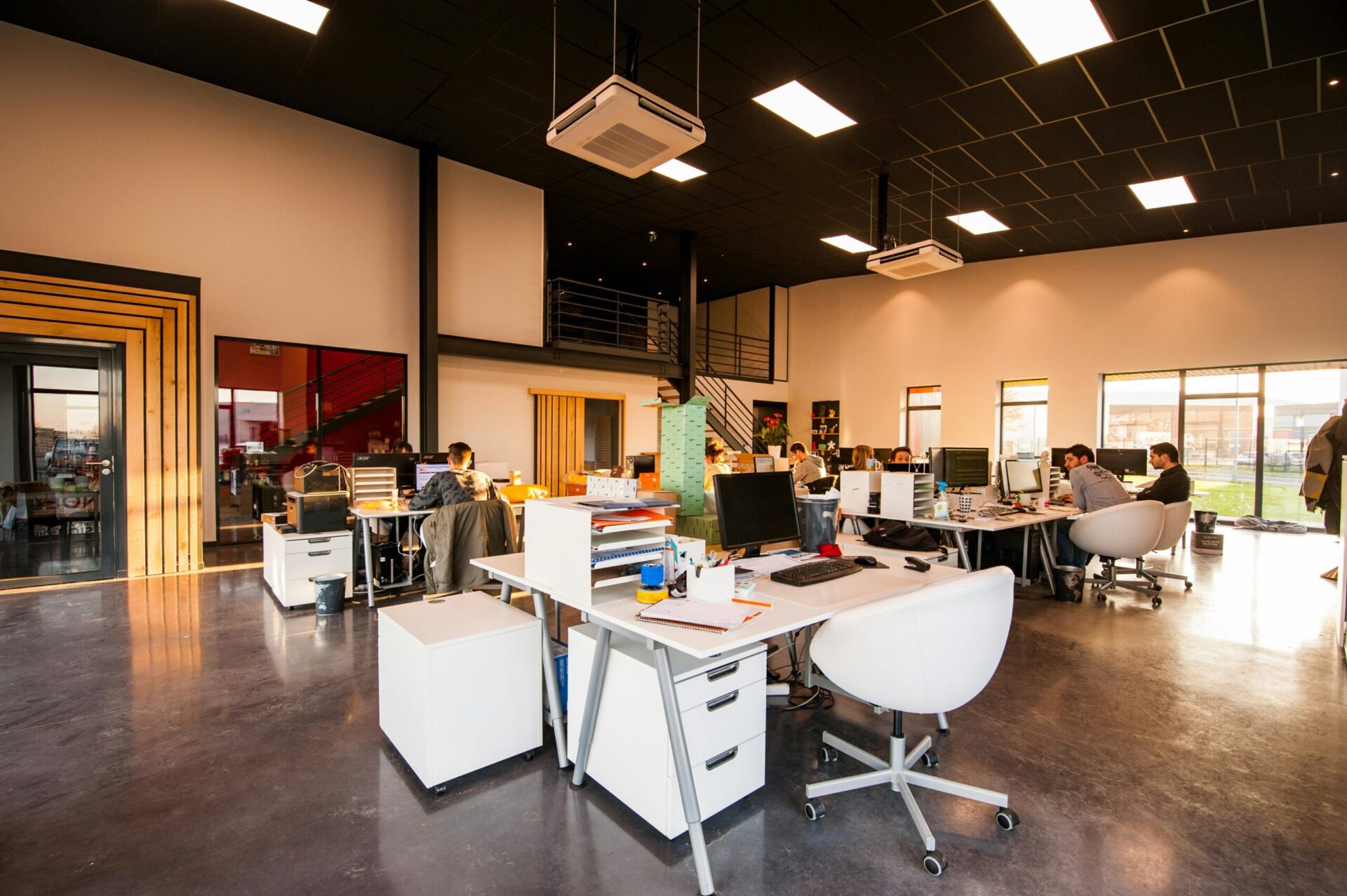
Reduce HVAC costs by 25–35% while improving employee wellness and productivity through AI-optimized climate control and real-time air quality monitoring tailored for modern hybrid work patterns.

  • AI-optimized zone control for open offices, conference rooms, and private suites
  • CO2-based ventilation maintaining cognitive-optimal air quality below 800 ppm
  • Occupancy detection via PIR sensors and calendar integration
  • Predictive maintenance preventing disruptive equipment failures
  • Weather integration for proactive temperature management
  • ASHRAE 62.1 compliance with automated documentation

Application 2

Healthcare Facilities & Hospitals

Maintain critical infection control standards while optimizing energy through precision air quality monitoring, pressure control, and advanced filtration systems ensuring patient and staff safety.

  • Positive/negative pressure room control for isolation and operating rooms
  • MERV 13+ and HEPA filtration with automated filter monitoring
  • UV-C sterilization in HVAC ducts reducing airborne pathogens
  • Real-time temperature and humidity control for patient comfort
  • Continuous air quality monitoring with automated alerts
  • CDC and ASHRAE healthcare ventilation compliance

Application 3

Schools & Educational Facilities

Improve student learning outcomes and reduce sick days by 25% through optimized air quality and climate control, while cutting district HVAC energy costs by 30% through intelligent scheduling.

  • CO2-based ventilation preventing cognitive impairment from poor air quality
  • Automated scheduling aligned with class schedules and occupancy
  • Zone control for classrooms, gyms, cafeterias, and auditoriums
  • Advanced filtration reducing spread of illnesses among students
  • Humidity control preventing mold growth and respiratory issues
  • Weather-based optimization minimizing energy during breaks

Application 4

Warehouses & Distribution Centers

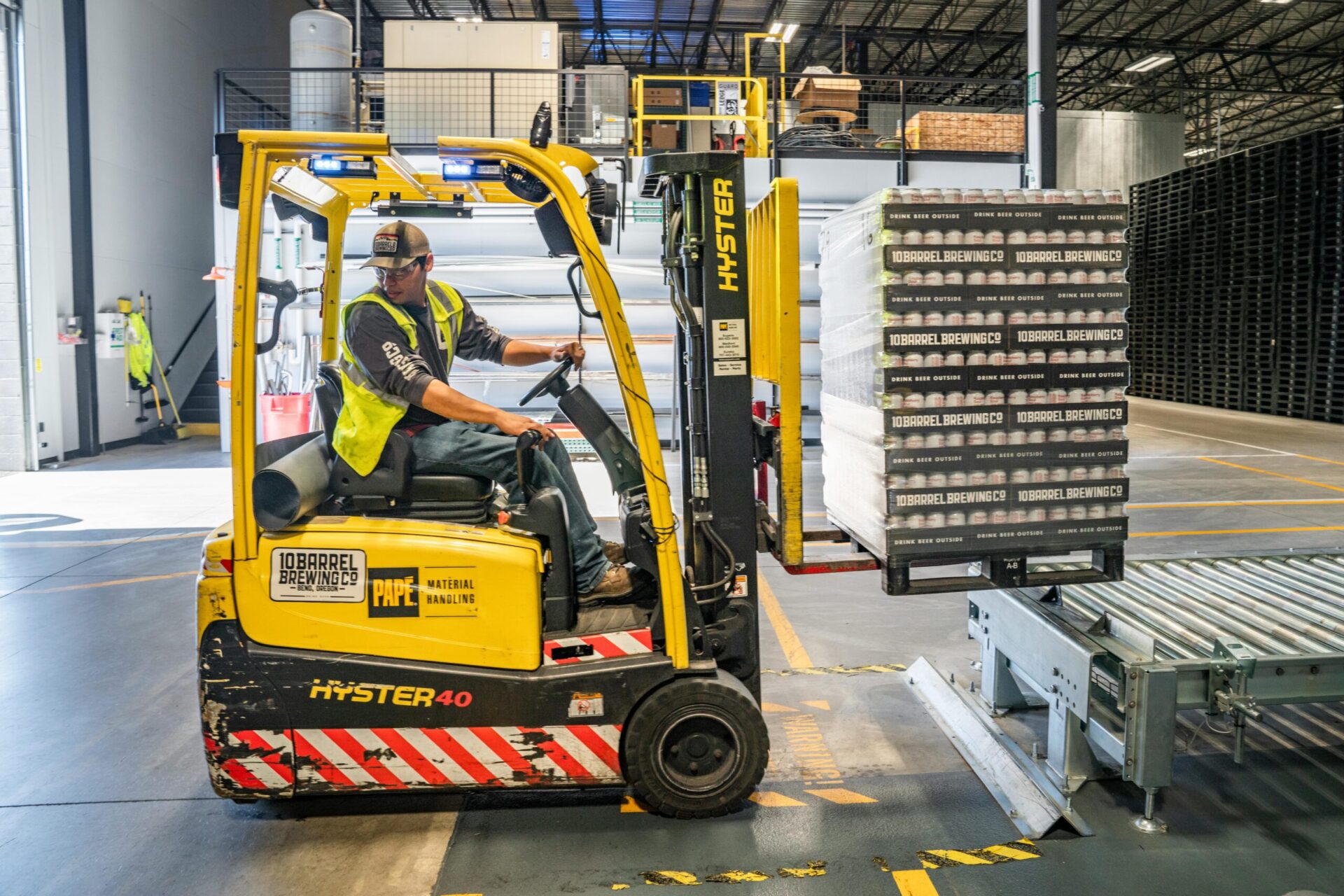
Maintain optimal storage conditions while reducing HVAC costs by 30–40% through high-ceiling destratification, zone control, and occupancy-based heating/cooling.

  • Destratification fans preventing heat stratification at high ceilings
  • Zone control for shipping, receiving, and storage areas
  • Economizer operation maximizing free outdoor cooling
  • Occupancy-based setback during nights and weekends
  • Temperature and humidity monitoring for sensitive inventory
  • Demand-controlled ventilation based on worker presence

Application 5

Retail Centers & Shopping Malls

Create comfortable shopping experiences while reducing tenant HVAC costs by 25–30% through centralized climate management, demand-based ventilation, and zone optimization.

  • Zone control for individual tenant spaces and common areas
  • Occupancy-based conditioning during peak and off-peak hours
  • CO2-based ventilation adjusting for customer traffic patterns
  • Automated scheduling aligned with store operating hours
  • Air quality monitoring ensuring pleasant shopping environments
  • Multi-tenant billing allocation based on actual usage

Application 6

Data Centers & Server Facilities

Achieve aggressive PUE targets below 1.3 through AI-optimized cooling, hot/cold aisle containment, and predictive control based on server load and weather forecasting.

  • AI-driven cooling optimization based on server load predictions
  • Hot/cold aisle containment maximizing cooling efficiency
  • Free cooling economizers when outdoor temperatures permit
  • Variable speed cooling towers and pumps modulating with demand
  • Precision humidity control protecting sensitive equipment
  • Real-time PUE monitoring and automated efficiency optimization

Application 7

Hotels & Hospitality

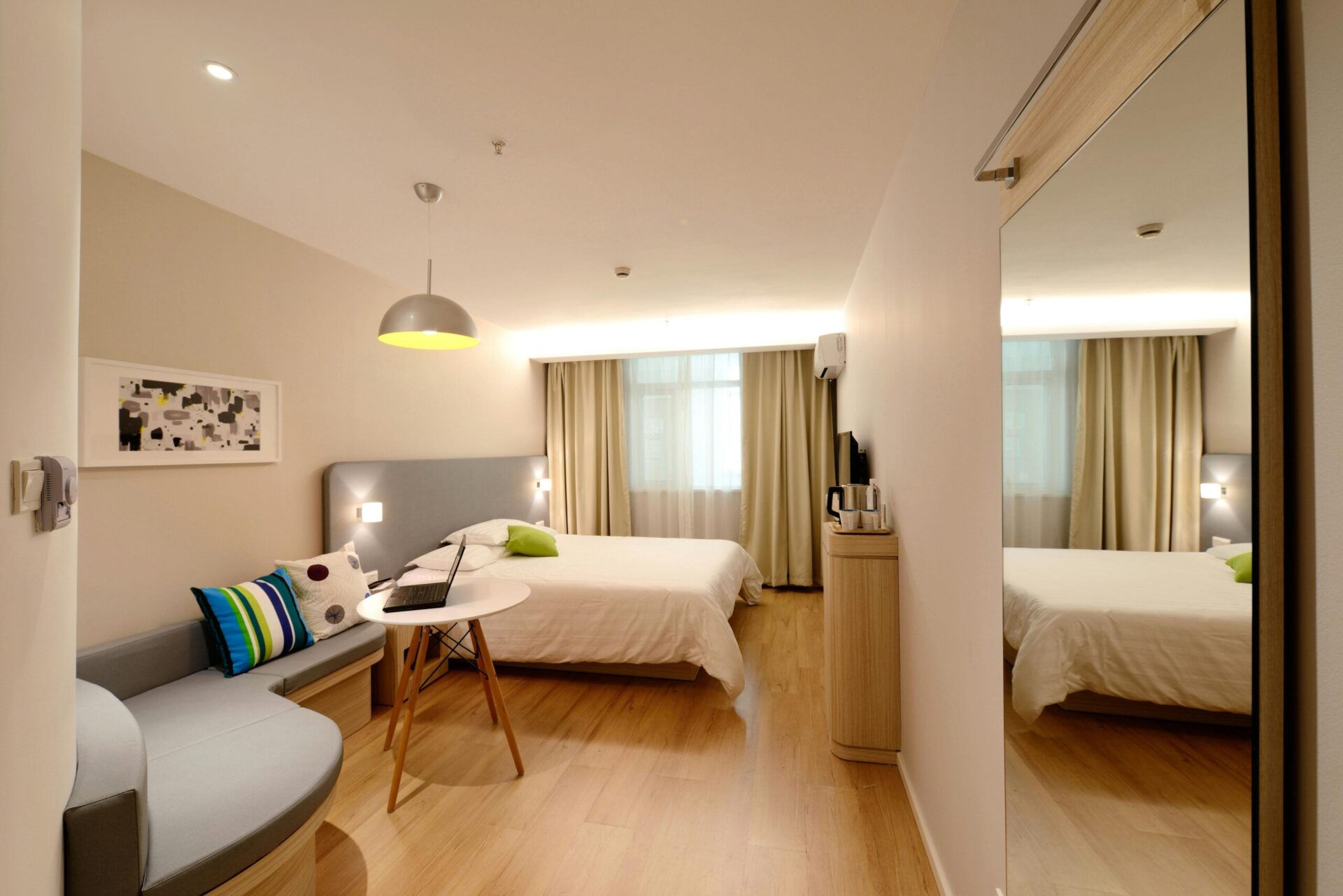
Enhance guest comfort while reducing HVAC operational costs by 30–45% through occupancy-based room conditioning, predictive climate control, and centralized management.

  • Occupancy-based setback when rooms are unoccupied
  • Pre-conditioning guest rooms before check-in for instant comfort
  • Individual room control via thermostat or mobile app
  • Central plant optimization serving multiple zones and buildings
  • Air quality monitoring ensuring fresh, clean room environments
  • Predictive maintenance preventing guest complaints and downtime

Technology Partners

We deploy industry-leading HVAC controls, air quality sensors, and predictive maintenance platforms from proven manufacturers.

Johnson Controls Metasys

Johnson Controls Metasys

Enterprise building automation with integrated HVAC control, energy optimization, and multi-site management.

Carrier i-Vu & Abound

Carrier i-Vu & Abound

Cloud-based HVAC control and monitoring with predictive analytics, remote diagnostics, and automated optimization.

Honeywell Forge

Honeywell Forge

AI-powered building management with predictive maintenance, energy optimization, and occupant comfort analytics.

Siemens Desigo CC

Siemens Desigo CC

Integrated building automation and HVAC controls with real-time monitoring and demand-based ventilation.

Trane Tracer SC+

Trane Tracer SC+

Building control system with advanced HVAC optimization, economizer management, and energy analytics.

Airthings Business

Airthings Business

Real-time CO2, VOC, PM2.5, temperature, and humidity monitoring with customizable IAQ alert systems.

CO2Signal & Aranet

CO2Signal & Aranet

Commercial-grade CO2 sensors with HVAC integration triggering ventilation based on occupancy and air quality.

Buildings IOT

Buildings IOT

AI-powered predictive HVAC optimization using weather forecasts and energy pricing for 25-35% savings.

Frequently Asked Questions

How much energy can smart HVAC systems actually save?

Smart HVAC systems with occupancy sensing, demand-controlled ventilation, and predictive optimization typically reduce HVAC energy consumption by 25–35%. Real-world implementations show annual savings of $15,000–$50,000 for medium-sized facilities, with payback periods of 2–4 years after utility rebates.

What is demand-controlled ventilation (DCV) and how does it work?

DCV uses CO2 sensors to modulate outside air intake based on actual occupancy. When CO2 levels exceed 1000 ppm, fresh air dampers automatically open. During low occupancy, ventilation reduces to code minimums, saving 20–40% on heating/cooling energy without compromising air quality.

How does predictive maintenance work and what are the benefits?

Predictive maintenance uses AI to analyze equipment performance patterns—monitoring filter pressure drop, refrigerant temperatures, and motor current. Systems predict failures 2–4 weeks before they occur, reducing emergency service calls by 70% and extending equipment lifespan by 40%.

Can air quality improvements really impact employee productivity?

Yes. CO2 levels above 1000 ppm significantly impair cognitive function—reducing productivity by 15–50%. Maintaining levels below 800 ppm improves cognitive performance by 8–15%. Controlling VOCs, PM2.5, temperature, and humidity reduces sick days by 25%.

How does weather forecasting integration improve HVAC performance?

Weather-integrated systems leverage real-time forecasts to optimize HVAC proactively. Before predicted heatwaves, systems pre-cool buildings during off-peak hours when energy is cheaper—achieving 15–25% additional savings beyond reactive controls.

What ventilation standards apply to commercial buildings?

ASHRAE Standard 62.1 defines minimum ventilation rates, typically 15–20 CFM per person. LEED and WELL Building Standard recommend CO2 below 800 ppm, PM2.5 below 12 μg/m³, and relative humidity between 30–60%. Smart systems provide automated monitoring ensuring continuous compliance.

Ready to Transform Your Building's HVAC?

Request a comprehensive HVAC and air quality assessment with energy savings projections, wellness benefits analysis, and predictive maintenance ROI.